Episode #
86
You Can’t Meditate Your Way Out of a Toxic System
November 27, 2025
Podcast: Play in new window | Download
Your Practice Deserves a Marketing Plan as Unique as You Are
To help you navigate the digital landscape more effectively, we’re offering our podcast listeners a complimentary Digital Visibility Audit. Lila Stone, Marketing Advisor at the Veterinary Business Institute and Marketing Director of ekwa marketing, will take a close look at your online presence, local SEO, and competitive environment. You’ll receive a customized plan filled with practical recommendations to enhance your visibility and connect with more clients.

Book your complimentary session here at a time that’s convenient for you
This isn’t a sales pitch—it’s our way of giving back to the veterinary community we truly care about .

In this powerful episode of the Veterinary Business Podcast, host Don Adeesha is joined by Dr. Phil Richmond, a leading voice in veterinary workplace wellbeing and founder of Flourishing Phoenix Veterinary Consultants. Together, they explore why burnout can’t be solved by self-care alone—and why we must shift the focus from fixing individuals to fixing systems.
Dr. Richmond shares his personal journey through burnout and recovery, the distinction between surface-level wellness programs and fundamental cultural change, and how leaders can begin creating environments that truly enable teams to thrive. If you’ve ever felt overwhelmed despite doing “all the right things,” this episode will hit home.
Listen to this Episode on
Key Takeaways & Time Stamps
- 00:00 – 02:57 | Introduction: Why Self-Care Isn’t Enough
- Don sets the stage: burnout isn’t just about self-care—it’s about broken systems.
- Introduction of Dr. Phil Richmond and his mission to change veterinary culture.
- Claim your free Marketing Strategy Meeting at www.veterinarybusinessinstitute.com/msm
- 02:58 – 04:19 | Dr. Richmond’s Personal Journey
- Dr. Richmond shares his burnout story: long hours, substance use, and recovery.
- He highlights how his own struggles shaped his passion for workplace wellbeing.
- 04:20 – 05:53 | Fixing Systems vs. Fixing People
- Talks about signs of a broken culture: gossip, poor teamwork, resistance to change.
- Encourages leaders to look deeper than just retention or absentee numbers.
- 05:54 – 07:13 | Why We Need to Measure Culture
- Describes how assessments (like the PERMA 4+ tool) help understand team health.
- Leaders must ask: “What’s working? What’s not?”
- 07:14 – 10:17 | Don’t Wait for Yearly Reviews
- Instead of yearly sit-downs, leaders should check in often and casually.
- Quick, regular chats help spot problems and support team members.
- 10:18 – 13:21 | What is Psychological Safety?
- Defined as feeling safe to speak up, make mistakes, or share ideas.
- It’s not about avoiding conflict—it’s about trust and mutual respect.
- 13:22 – 16:38 | How to Raise Concerns in a Toxic Workplace
- Tips for team members: approach leaders with care and concern, not blame.
- Highlights how open conversations can lead to change—if leaders are ready.
- 16:39 – 18:28 | Real-Life Example: Practice Before and After COVID
- Dr. Richmond shares how his team used regular check-ins and tools like PERMA to catch burnout early.
- Even great teams can struggle—and bounce back—with the right tools.
- 18:29 – 20:40 | Why Most Wellness Programs Fall Short
- Apps and yoga won’t solve burnout if the core problems (like short staffing) remain.
- Systemic issues must be addressed before individual wellness efforts work.
- 20:41 – 24:25 | What Resilience Training Really Looks Like
- Not “tough it out” training—it’s about gratitude, optimism, and thinking patterns.
- Teaches emotional tools that help shift reactions and reduce stress.
- 24:26 – 28:30 | Top Mindset Shifts for Leaders
- Leaders should embrace mattering, ask “What part did I play?” and practice self-compassion.
- These shifts can change how teams connect and perform.
- 28:31 – 31:04 | Dr. Richmond’s Me–We–Us Model
- “Me”: personal growth and resilience.
- “We”: team trust and communication.
- “Us”: systems, staffing, and organizational structure.
- 31:05 – 34:54 | What Helped Dr. Richmond Start Recovery
- It was his team’s support that helped him face addiction and seek change.
- Recovery tools like gratitude and reframing helped him grow—and now help others.
- 34:55 – 37:32 | Final Takeaway: Mattering and Self-Compassion
- Leaders must show people they matter—and also show that same care to themselves
- Claim your free Marketing Strategy Meeting session at www.veterinarybusinessinstitute.com/msm
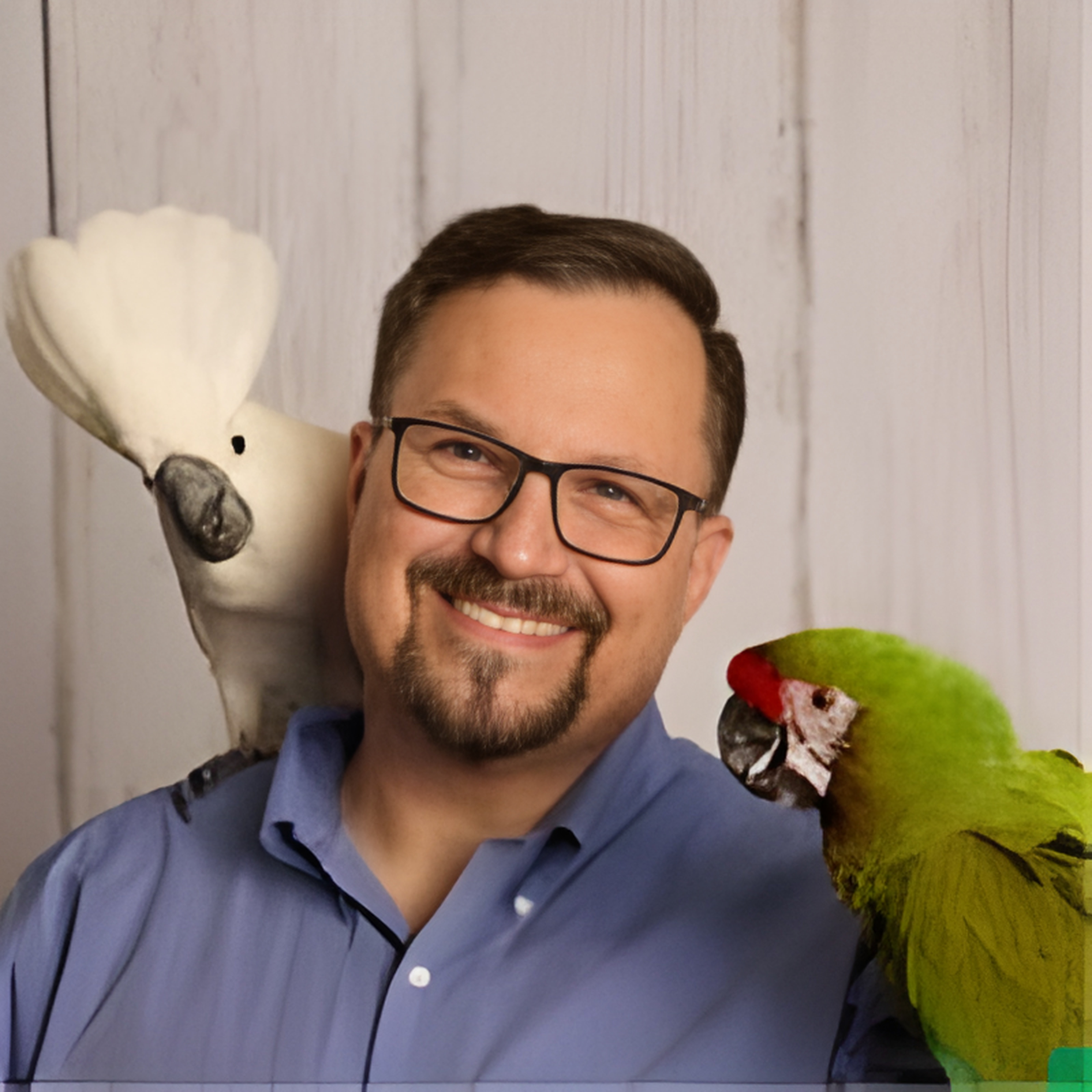
Phil Richmond, DVM, CAPP, CPHSA, CCFP
Veterinary Wellbeing Strategist | Culture Change Leader | Certified Workplace Health Expert
Founder & CEO, Flourishing Phoenix Veterinary Consultants
Dr. Philip Richmond is a veterinarian, psychological health advocate, and organizational wellbeing consultant committed to transforming the culture of veterinary workplaces. As the Founder and CEO of Flourishing Phoenix Veterinary Consultants, he leads veterinary teams toward healthier, safer, and more resilient work environments through science-based strategies rooted in applied positive psychology, trauma-informed leadership, and psychological safety.
A practicing veterinarian with over 15 years of clinical and leadership experience, Dr. Richmond has served as Chief Medical & Wellbeing Officer for Veterinary United and as Medical Director at multiple small animal hospitals. His leadership journey has been shaped by both on-the-ground practice management and his deep commitment to addressing the mental health crisis in the profession.
Dr. Richmond holds certifications in Applied Positive Psychology (CAPP), Psychological Health & Safety Advising (CPHSA), Compassion Fatigue Prevention (CCFP), Resilience Training, Appreciative Inquiry, and Suicide Prevention. He is also Co-Founder of the PERMAH Tool for Veterinary Workplaces, a science-backed framework for assessing and improving team wellbeing.
A national and international leader in the veterinary wellbeing movement, Dr. Richmond chairs the Florida Veterinary Medical Association’s Professional Wellbeing Committee and contributes to several national boards and working groups focused on suicide prevention, mental health policy, and workplace transformation. His collaborators include the CDC/NIOSH, American Foundation for Suicide Prevention, Veterinary Visionaries, MentorVet, and Appalachian State University.
An award-winning speaker and writer, Dr. Richmond is a co-author of the Veterinary Visionaries’ “Psychological Health and Safety Guidelines” and a frequent guest on podcasts and conference panels. His work has earned honors including FVMA Veterinarian of the Year, the UVC Founder’s Award, and finalist recognition for the US Bright Minds Veterinary Wellness Champion.
Based in Odessa, Florida, Dr. Richmond is a passionate champion for systemic change, trauma-informed leadership, and organizational healing in veterinary medicine. Through his consulting and advocacy, he empowers veterinary professionals not just to survive—but to flourish.
Connect with Dr. Richmond: